2026 Global Crystal Wholesale Trends: Natural & Ethical Sourcing
NATURAL · CRYSTAL JOURNAL
The crystal jewelry market continues to evolve in 2026. For retailers, boutique brands and wholesale buyers, price remains important—but it is no longer the only consideration when building a competitive gemstone collection.
Material transparency, natural character, responsible sourcing and consistent quality are becoming increasingly important considerations in modern crystal wholesale. Rather than focusing only on the lowest possible unit price, buyers can also evaluate how gemstones are sourced, processed, described and presented to the final customer.
From Price-Driven Sourcing to Value-Driven Sourcing
Traditional wholesale purchasing often emphasizes price, quantity and production speed. These factors remain relevant, especially for larger orders, but natural gemstone jewelry introduces another layer of value: the material itself.
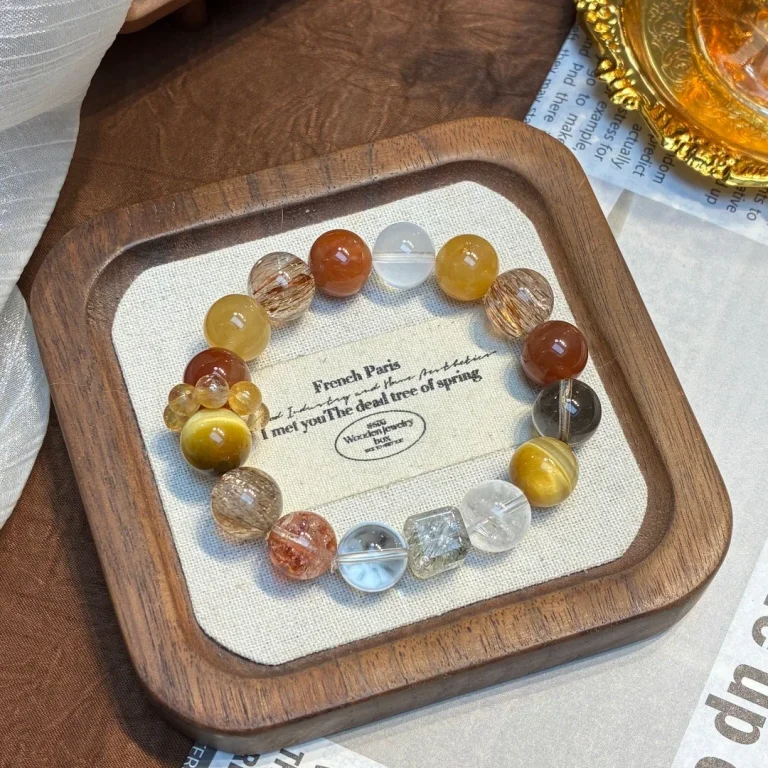
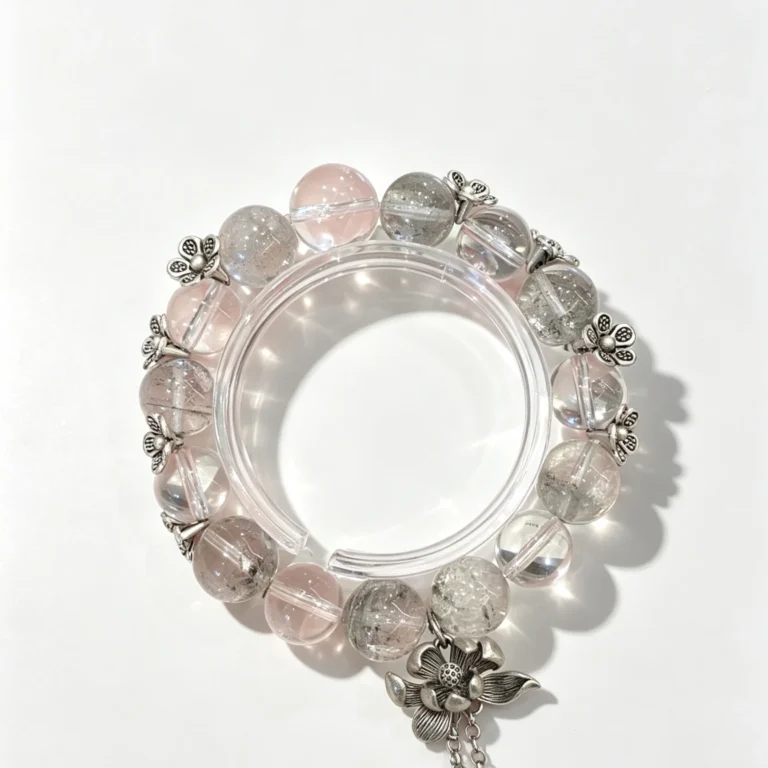
Natural crystals can differ in transparency, mineral inclusions, color distribution, veining and internal formations. When these characteristics are clearly communicated, they can become part of the product story rather than something that needs to be hidden.
For boutique retailers in particular, distinctive natural materials can help create collections that feel less standardized and more connected to craftsmanship, individuality and nature-inspired design.
Natural Character Is Becoming Part of the Product Story
Perfect uniformity is not always the goal when working with natural gemstones. In many crystal varieties, small differences between individual beads are an expected part of the material.
- Natural mineral inclusions
- Subtle color zoning
- Cloud-like internal textures
- Veining and mineral patterns
- Differences in transparency
- Phantom formations
- Rutile and other visible mineral inclusions
These details can give natural crystal jewelry a visual identity that is difficult to reproduce through completely uniform mass production.
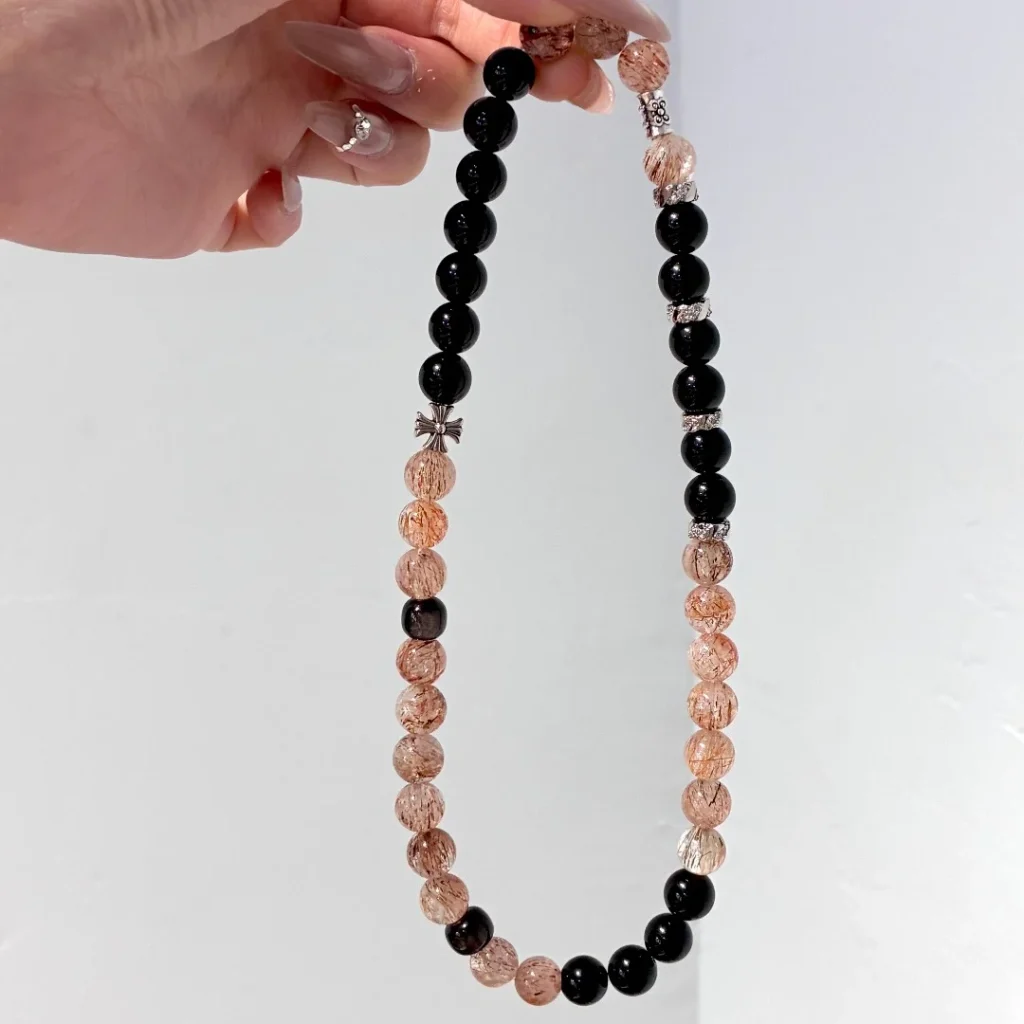
Natural Does Not Always Mean Visually Perfect
One of the most important concepts for both wholesalers and final customers is that natural quality should not automatically be confused with perfect visual uniformity.
A natural gemstone may contain internal inclusions, differences in color or subtle surface characteristics. Depending on the gemstone variety and quality level, these features can be entirely normal.
At the same time, natural origin should never be determined from appearance alone. Some high-quality natural gemstones can be exceptionally clean, while synthetic or treated materials can also display internal features. When definitive identification matters, appropriate gemological testing may be necessary.
Why Material Disclosure Matters in Crystal Wholesale
For B2B crystal buyers, one of the most valuable sourcing practices is clear material disclosure. A supplier should be able to communicate what a product is made from and, where relevant, provide information about known treatments or enhancements.
This becomes especially important when retailers use supplier information to create their own product listings, packaging and marketing materials.
- Is the gemstone natural, laboratory-grown or imitation?
- Has the material received any known treatment or enhancement?
- Is the color natural or altered?
- What natural variation should buyers expect between batches?
- How are different quality levels defined?
- Can samples be reviewed before larger production orders?
Clear answers to these questions can help wholesale buyers build more accurate product descriptions and set realistic expectations for their customers.
Ethical Sourcing Is More Than a Marketing Phrase
“Ethical gemstone” and “responsible sourcing” are increasingly visible terms in jewelry marketing, but wholesale buyers should look beyond the terminology itself.
Responsible sourcing can involve questions about material origin, supplier relationships, labor practices, processing methods, environmental considerations and the transparency of the supply chain. The exact standards and available documentation may vary depending on the gemstone, country of origin and supplier.
For this reason, broad ethical claims should ideally be supported by specific information rather than used as general promotional language.
What Sustainable Crystal Wholesale Can Look Like
Sustainability in gemstone jewelry can extend beyond the stone itself. Wholesale buyers can consider the complete product journey, from material selection and processing to packaging and inventory planning.
- Clear disclosure of gemstone materials
- Responsible use of natural resources
- Efficient cutting and material utilization
- Appropriate treatment disclosure
- Durable product construction
- Reduced unnecessary packaging
- Recyclable or lower-impact packaging where practical
- Production quantities aligned with realistic demand
- Long-term supplier relationships rather than purely transactional sourcing
Transparency Builds a Stronger Supply Chain
For crystal retailers, transparency begins before the finished bracelet reaches the customer. The more clearly materials and production requirements are communicated between buyer and supplier, the easier it becomes to maintain consistent expectations across repeat orders.
A transparent sourcing process may include material specifications, sample confirmation, acceptable color ranges, bead measurements, treatment disclosure, packaging requirements and quality-control standards.
What Wholesale Buyers Can Ask Their Suppliers
Before placing a significant crystal jewelry order, buyers can establish clearer sourcing expectations by asking practical questions about both materials and production.
- What exactly is the gemstone material? Confirm the commercial and material description used for each stone.
- Is the material natural? Clarify whether it is natural, synthetic, laboratory-grown or imitation.
- Are there known treatments? Ask about dyeing, heating, coating, impregnation or other relevant enhancements.
- What natural variations should be expected? Establish an acceptable range for color, transparency and inclusions.
- How is quality defined? Ask for measurable specifications rather than relying only on labels such as A, AA or AAA.
- Can samples be provided? Review actual materials and workmanship before confirming larger orders.
- What quality-control process is used? Confirm how finished products are inspected before shipment.
- What packaging options are available? Consider whether packaging can align with the retailer’s sustainability and branding requirements.
Honest Description Creates Long-Term Value
Natural gemstones do not need exaggerated claims to be compelling. Their geological origin, colors, inclusions and individual patterns already provide a strong foundation for product storytelling.
For wholesale suppliers, accurate descriptions help retailers understand what they are purchasing. For retailers, the same transparency makes it easier to explain natural variation to customers and build realistic expectations around each product.
Instead of presenting every variation as a defect, brands can explain why natural gemstones may differ slightly from photography and why those differences contribute to the individuality of each piece.
The Future of Crystal Wholesale Is More Transparent
As crystal jewelry businesses develop more sophisticated sourcing standards, natural materials, clear disclosure and responsible production practices can become important ways for suppliers and retailers to differentiate their collections.
The future of gemstone wholesale is unlikely to depend on price alone. Material knowledge, consistency, craftsmanship, communication and supply-chain transparency can all contribute to stronger long-term partnerships.
For natural crystal jewelry, this direction is especially meaningful. Every stone already carries its own color, texture and geological character. Honest sourcing allows those natural qualities to remain at the center of the product story.
Gemstone information in this article is provided for general educational, sourcing and aesthetic reference. Claims regarding origin, treatment, sustainability or ethical sourcing should be supported by appropriate supplier information or documentation where applicable. Crystal meanings and traditional associations are provided for cultural and folk reference only and are not medical claims.