Natural Crystal vs Synthetic Crystal: Essential Guide for Wholesale Buyers
NATURAL · CRYSTAL JOURNAL
For jewelry retailers, importers and wholesale buyers, understanding the difference between natural, synthetic and imitation gemstones is an important part of responsible sourcing. Appearance alone does not always tell the complete story, and reliable purchasing depends on clear material disclosure, consistent quality standards and trustworthy supplier communication.
Natural gemstones are valued for their geological origin and individual characteristics, while laboratory-grown and imitation materials belong to different product categories with their own commercial uses. Knowing what you are purchasing—and how it is described to your customers—is essential for building a transparent crystal jewelry business.

What Is a Natural Crystal?
Natural crystals and gemstones form through geological processes within the Earth. Depending on the mineral, their formation may involve changes in temperature, pressure, mineral-rich fluids and other geological conditions over long periods of time.
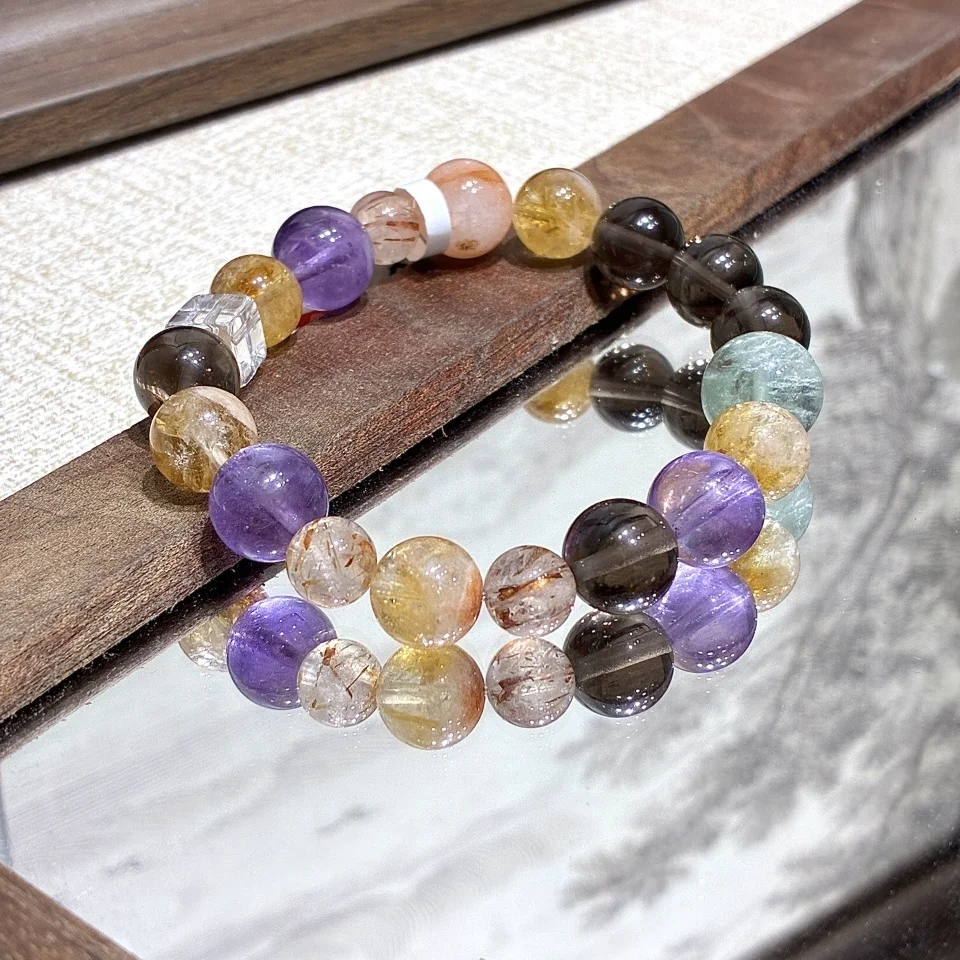
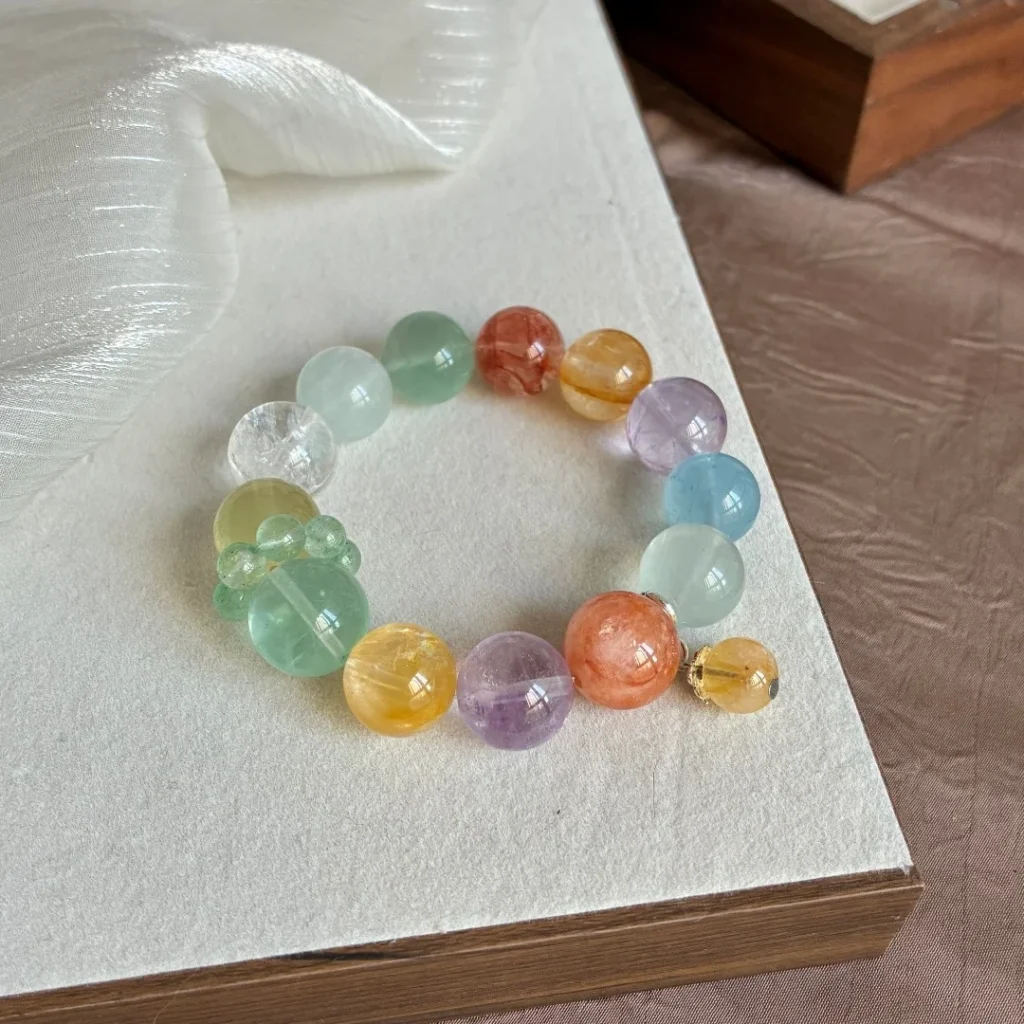
Because these materials develop naturally, individual stones can show variations in color, transparency, internal structure and mineral inclusions. These characteristics contribute to the individual appearance of natural gemstone jewelry.
- Natural mineral inclusions
- Cloud-like or cotton-like internal textures
- Color zoning and tonal variation
- Veining and mineral patterns
- Internal fractures or healed fissures
- Phantom formations in certain quartz varieties
- Rutile or other mineral inclusions in included quartz
Not every natural gemstone will display all of these features. Some high-quality natural stones can be remarkably transparent and visually clean, which is why authenticity should never be determined from one visual characteristic alone.
What Is a Synthetic Crystal?
A synthetic gemstone is a laboratory-grown material created to have essentially the same chemical composition, crystal structure and relevant physical properties as its natural counterpart.
This is different from an imitation or simulant. Glass, resin and other materials may be manufactured to resemble a gemstone visually without sharing the same composition and crystal structure.
For wholesale buyers, this distinction is important. The terms natural, synthetic, lab-grown and imitation should not be used interchangeably.
Natural vs Synthetic vs Imitation: What Buyers Should Know
| Material Type | Origin | Key Point for Buyers |
|---|---|---|
| Natural Gemstone | Formed through natural geological processes | Natural variations and inclusions may occur from stone to stone |
| Synthetic / Lab-Grown Gemstone | Produced under controlled laboratory conditions | May share key chemical and structural properties with a natural counterpart but has a laboratory origin |
| Imitation / Simulant | Manufactured to resemble another material | May look similar but does not necessarily share the same composition or crystal structure |
None of these categories should be confused with another. For professional wholesale sourcing, accurate identification and honest product labeling are more important than simply deciding which material looks more visually perfect.
Natural Inclusions Are Part of the Story
One of the most fascinating characteristics of natural gemstones is the world that can exist inside them. Inclusions and mineral formations may record aspects of the conditions under which a crystal developed.
For jewelry buyers, these natural characteristics can also become important visual selling points.
- Green Phantom Quartz: May contain layered or landscape-like green mineral formations.
- Rutilated Quartz: Characterized by needle-like rutile inclusions in a quartz host.
- Rose Quartz: Can range from translucent to cloudy or milky pink.
- Amethyst: May display differences in purple saturation and color zoning.
- Natural Jade: Can show variations in tone, translucency and internal texture.
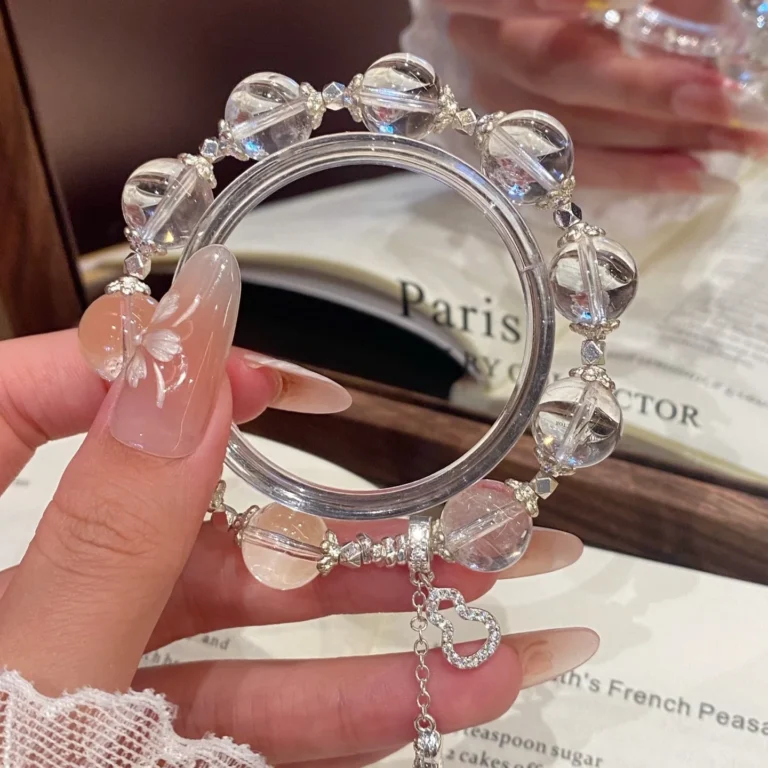
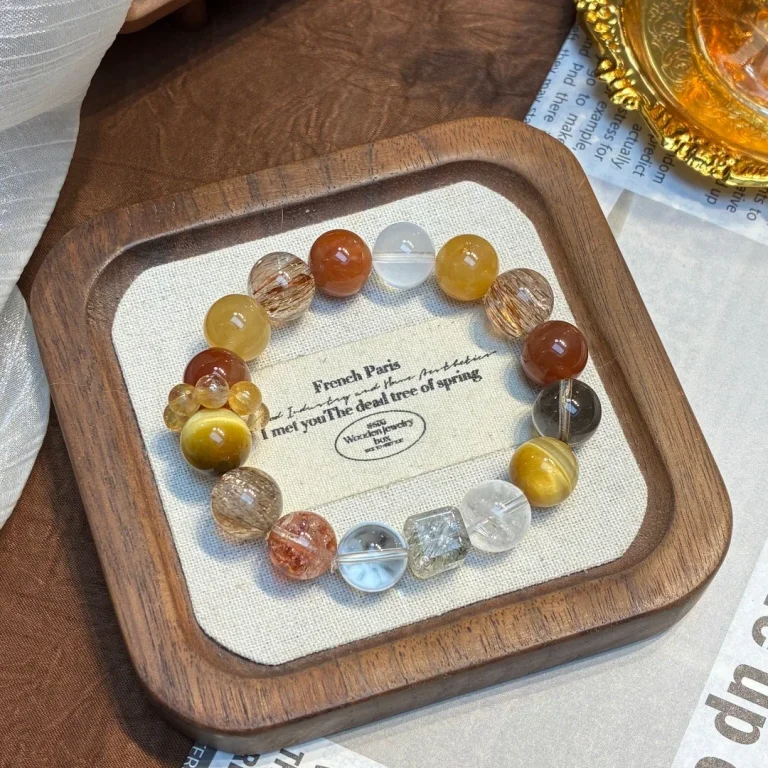
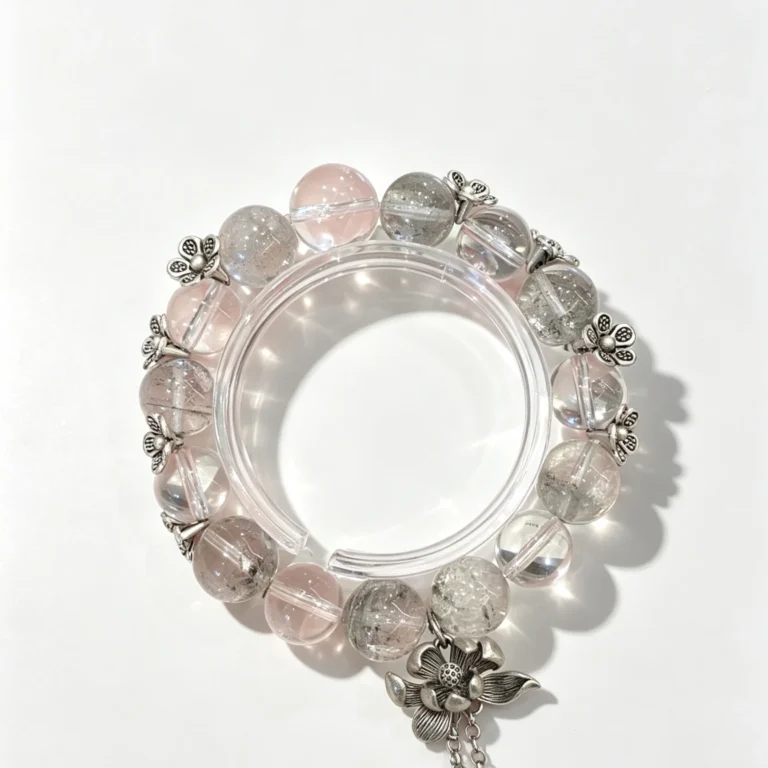
These variations are particularly important when selling natural crystal bracelets because the finished product may not look perfectly identical to the photographed sample. Clear communication helps customers understand that natural variation is part of the material itself.
Does a Flawless Crystal Mean It Is Synthetic?
No. Visual perfection alone is not enough to determine whether a gemstone is natural or synthetic.
Although some manufactured materials can show very uniform color and high clarity, certain natural gemstones can also be exceptionally clean. At the same time, laboratory-grown stones can contain growth features or inclusions of their own.
This is why professional identification should consider multiple properties rather than relying on simple rules such as “inclusions mean natural” or “perfect clarity means synthetic.”
Treatments Are Another Important Question
Natural versus synthetic is only one part of gemstone sourcing. A natural gemstone may also have undergone treatment to modify its appearance or improve certain visual characteristics.
Depending on the material, treatments can include heating, dyeing, irradiation, impregnation, coating or other enhancement processes. Treatment practices vary considerably between gemstone categories.
For wholesale buyers, the important question is therefore not simply:
“Is this stone natural?”
A more complete sourcing conversation may include:
- Is the material natural or laboratory-grown?
- Has the gemstone received any known treatment or enhancement?
- Is the color natural, enhanced or dyed?
- How is the material graded?
- What level of variation should be expected between batches?
- Can supporting testing or documentation be provided when required?
Understanding Quality Grading in Crystal Wholesale
Terms such as A, AA, AAA or premium are frequently seen in the gemstone and bead market, but buyers should be careful about assuming that these labels represent a universal grading system across every supplier and gemstone category.
For practical wholesale purchasing, clearly defined quality specifications are often more useful than a grade name alone.
- Color range and saturation
- Transparency or translucency
- Type and visibility of inclusions
- Bead diameter and dimensional tolerance
- Shape consistency
- Polish quality
- Surface condition
- Drilling quality and hole placement
- Acceptable natural variation
A reliable wholesale specification should make it possible for both buyer and supplier to understand what an acceptable production batch looks like.
Why Honest Material Descriptions Matter
For retailers and boutique brands, accurate material information affects more than a single order. It influences product descriptions, customer expectations, brand reputation and long-term supplier relationships.
If a bracelet is made from natural amethyst, it should be described accordingly. If a material is laboratory-grown, treated or imitation, that information should also be communicated accurately where applicable.
Transparent sourcing allows downstream retailers to create clearer product listings and helps reduce misunderstandings between suppliers, brands and final customers.
What Wholesale Buyers Should Check Before Ordering
When sourcing natural crystal jewelry or gemstone beads, buyers can reduce uncertainty by establishing clear requirements before placing a larger production order.
- Confirm the material. Ask whether the gemstone is natural, synthetic, lab-grown or imitation.
- Ask about treatments. Confirm whether any known enhancement, dyeing or other treatment has been applied.
- Review detailed photographs. Look at color, transparency, inclusions, polish and bead consistency.
- Define acceptable variation. Natural materials vary, so establish an acceptable range for production.
- Request samples when appropriate. Evaluate the actual material and workmanship before committing to a larger order.
- Confirm production specifications. Record bead size, bracelet dimensions, materials, accessories and packaging requirements.
- Discuss documentation. If laboratory reports or specific testing are required for your market or product category, clarify this before ordering.
Natural Variation Is Not the Same as Poor Quality
One challenge in natural gemstone wholesale is finding the right balance between consistency and natural character.
A well-matched bracelet can still contain subtle differences between individual beads. The goal is not necessarily to eliminate every natural variation, but to control the overall quality while preserving the characteristics that make the gemstone visually distinctive.
For example, natural phantom quartz can vary significantly in internal formation while still maintaining a coordinated overall color palette. Rutilated quartz may show different inclusion density from bead to bead while remaining part of the same jewelry design.
Building Long-Term Wholesale Relationships Through Transparency
Successful gemstone sourcing depends on more than finding an attractive product. For long-term wholesale cooperation, buyers and suppliers need a shared understanding of materials, acceptable natural variation, workmanship and production standards.
Clear material descriptions, realistic product photography and consistent specifications make it easier for retailers to know what they are buying—and easier for suppliers to reproduce the expected quality across future orders.
For natural crystal jewelry, transparency is especially valuable because variation is part of the product. The more clearly those natural characteristics are communicated, the easier it becomes to turn them from a potential source of confusion into part of the jewelry’s story.
Natural Beauty Begins with Honest Sourcing
Natural gemstones do not need to be perfectly uniform to be beautiful. Their inclusions, mineral patterns, tonal variations and individual textures are part of what makes natural crystal jewelry distinctive.
For wholesale buyers, however, appreciating natural variation should always go together with careful sourcing. Understanding the difference between natural, synthetic and imitation materials—and asking the right questions about treatments and quality standards—creates a stronger foundation for responsible purchasing.
When material information is clear from supplier to retailer to customer, the natural character of every gemstone can become part of a more trustworthy and meaningful jewelry experience.
Gemstone information in this article is provided for general educational and sourcing reference. Visual characteristics alone may not conclusively determine gemstone origin, treatment or authenticity. Professional gemological testing may be required when definitive identification is necessary. Crystal meanings and traditional associations are provided for cultural and aesthetic reference only and are not medical claims.